Winter Park OWCP Pain Clinics: Preparing for Your First Visit
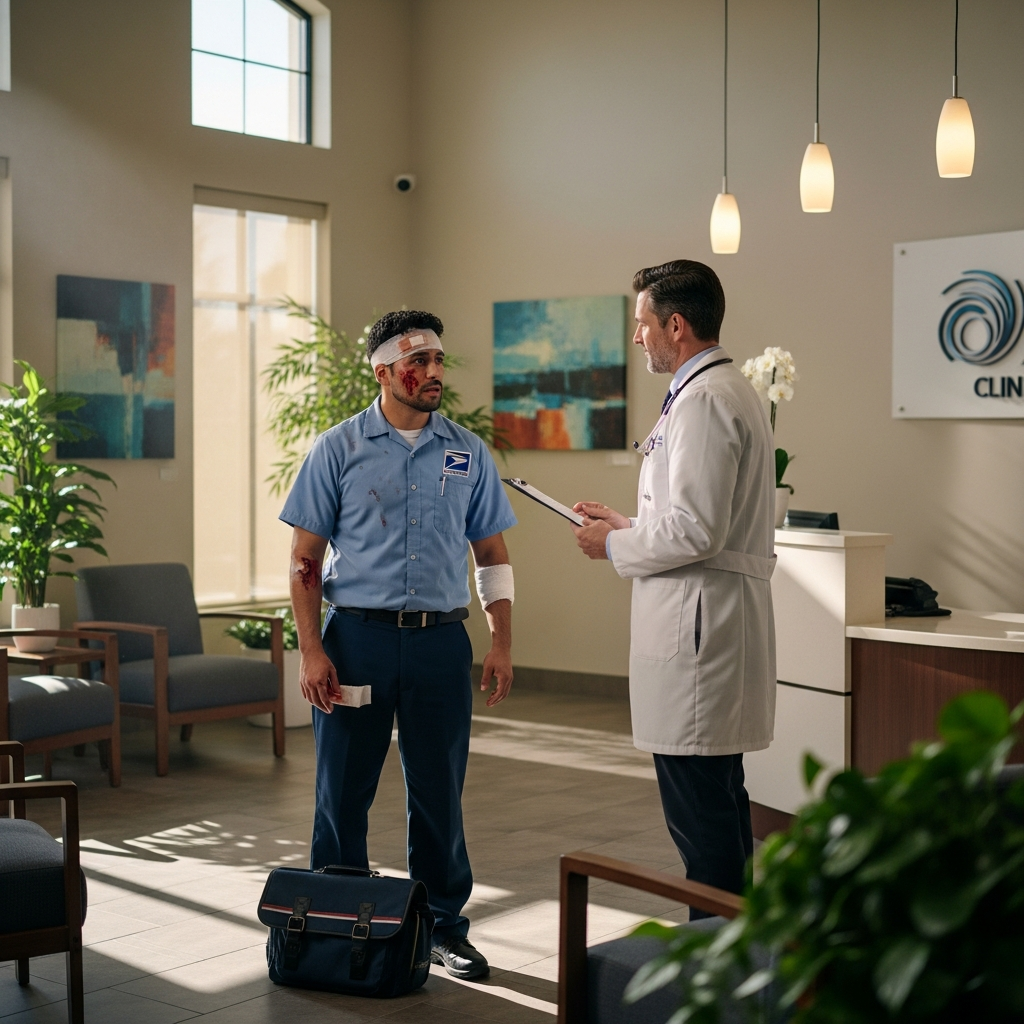
You got the referral slip. Finally. After weeks – maybe months – of navigating the paperwork maze that is the Office of Workers’ Compensation Programs, you’re holding something that feels almost like a finish line. A first appointment at an OWCP-authorized pain clinic in Winter Park.
Except now a different kind of anxiety sets in.
What actually happens when you walk through that door? Will they believe you? Will this finally be the place that takes your injury seriously, or will it feel like another clipboard-and-waiting-room experience where you leave feeling more frustrated than when you arrived? Those questions are so common, and honestly? They’re completely valid. The OWCP system can feel dehumanizing at times – lots of forms, lots of bureaucratic hoops, and somewhere in the middle of all that paperwork is you, a real person dealing with real pain that’s been affecting your real life.
Here’s what most people don’t realize going in: how prepared you are for that first visit matters enormously. Not just for your comfort level, but for the quality of care you actually receive.
Think about it like this. Imagine hiring a contractor to fix significant damage to your house. You could wave vaguely at the wall and say “something’s wrong over there,” or you could walk them through exactly what happened, when the problem started, what you’ve already tried, and what’s gotten worse over time. Same contractor, same expertise – but one of those conversations leads to a dramatically better outcome. Your first visit to an OWCP pain clinic works the same way.
Winter Park specifically has a cluster of OWCP-authorized providers who work regularly within the federal workers’ compensation framework – and that distinction matters more than people realize. These aren’t just general pain management offices that occasionally see a workers’ comp case. They understand the documentation requirements, the authorization processes, the language that needs to appear in your records for your claim to move forward smoothly. That insider knowledge is genuinely valuable to you. But even the most experienced clinic can only work with what you bring them.
So that’s what this is about. Not the scary stuff. Not warnings about what could go wrong. This is practical, real information about how to walk into that appointment as prepared as possible – so you walk out with a clear treatment plan, proper documentation for your OWCP case, and maybe, just maybe, the beginning of actual relief.
We’re going to cover what documents to gather before you go (there’s a specific list that OWCP-related visits tend to need, and it’s slightly different from a typical doctor’s appointment). We’ll talk about how to describe your pain and symptoms in a way that’s both honest and clinically useful – because there’s a difference between how we describe pain to a friend and how it needs to be communicated in a medical setting. We’ll touch on what the evaluation process typically looks like at these clinics, so nothing catches you off guard. And we’ll get into the questions worth asking before you leave the building, because those first conversations set the tone for everything that follows.
Actually, that last point might be the most undervalued part of the whole thing. Most of us were raised to be polite, deferential medical patients – answer the questions, don’t take up too much time, trust the doctor knows best. And look, we absolutely respect the providers doing this work. But you are also an active participant in your own recovery, and asking smart questions isn’t rude. It’s smart.
Whether your injury happened on a construction site, in a federal office building, at a postal facility, or anywhere else covered under OWCP – the experience of navigating pain management within that system has some very specific quirks. Some good quirks, actually. The federal workers’ comp system, when it’s working properly, can provide access to specialists and treatment options that might otherwise feel out of reach. But accessing those benefits smoothly requires knowing what you’re dealing with.
You’ve already done the hard work of getting here. Let’s make sure that first appointment counts.
What OWCP Actually Is (And Why It Matters for Your Care)
So before we get into the nuts and bolts of showing up prepared, it helps to understand what you’re actually dealing with here. OWCP stands for the Office of Workers’ Compensation Programs – it’s the federal agency that manages workers’ compensation benefits for federal employees. Not state workers, not private sector employees. Federal. That distinction matters more than you’d think.
If you’re a postal worker, a federal law enforcement officer, a civilian working for the Department of Defense, or any number of other federal positions… this is your system. And honestly? It operates pretty differently from the standard workers’ comp process most people are familiar with.
Think of it like this: if standard workers’ comp is your neighborhood grocery store, OWCP is a specialty market with its own suppliers, its own inventory system, and its own checkout process. The food still feeds you, but you can’t just wander in expecting everything to work the same way.
The Authorization Puzzle
Here’s where things get a little counterintuitive – and fair warning, this part trips up almost everyone on their first visit.
In a typical medical appointment, you show up, you get treated, insurance sorts it out later. OWCP-affiliated pain management doesn’t quite work that way. Many treatments and procedures require prior authorization before the clinic can move forward. Your pain management team in Winter Park is used to navigating this, but you need to understand it too, because delays in authorization can feel frustrating when you’re in pain and just want help.
The authorization process runs through the Department of Labor, and it can feel maddeningly slow sometimes – like shouting into a very large, very bureaucratic canyon. That’s not an exaggeration. Experienced OWCP clinics have learned to submit requests early and follow up relentlessly. This is actually one of the things worth asking about when you call ahead: “Do you handle authorization requests in-house?” The answer tells you a lot about how smoothly things will run.
How Pain Management Fits Into Your Claim
Your OWCP claim has what’s called an accepted condition – the specific diagnosis or injury that the Department of Labor has officially recognized as work-related. This is crucial. Pain management treatment generally has to connect directly back to that accepted condition. A clinic can’t simply treat whatever’s bothering you; they’re working within the defined scope of your claim.
This sounds restrictive, and… it is, somewhat. But it’s also there to protect you. It keeps your care focused, documented, and directly tied to your workplace injury. Think of your accepted condition like the foundation of a house – everything the medical team builds needs to connect back to it structurally.
If you’re unsure exactly what your accepted conditions are, that information lives in your case file and in any correspondence you’ve received from the Department of Labor. Bringing that documentation to your first appointment isn’t just helpful – it’s kind of essential.
The Role of Your Attending Physician
Something else worth knowing: OWCP cases typically involve an attending physician – the primary doctor managing your overall care. Your pain clinic in Winter Park generally works in coordination with that provider, not independently of them. Medical records flow between them, treatment plans get coordinated, and nobody’s supposed to be operating in a silo.
Actually, that reminds me of something worth flagging – if you’ve been bouncing between multiple providers without them really talking to each other, it can create real headaches down the line with your claim. OWCP reviewers look at the big picture of your care, and gaps or contradictions in records can complicate things unnecessarily.
Pain Management Under OWCP: What the Goal Actually Is
Here’s something people sometimes struggle to hear, but it’s worth saying plainly: OWCP pain management is oriented toward functional improvement, not just symptom relief. The question driving treatment isn’t only “does this person hurt less?” It’s also “can this person do more?”
That’s actually a healthier framework than it might sound at first. It means your care team is tracking whether you’re regaining capacity – mobility, activity tolerance, quality of life – not just whether you’re managing to get through the day. The documentation requirements reflect this too, which is why your clinic will ask you regularly about what you can and can’t do.
It can feel clinical. But it’s the language of the system, and understanding it helps you advocate for yourself more effectively when it counts.
What to Gather Before You Ever Walk Through the Door
Here’s something most people don’t realize until they’re sitting in the waiting room, slightly panicked: the paperwork matters just as much as the appointment itself. Your OWCP case has a paper trail, and the clinic needs to connect their treatment plan directly to your work injury – not just generally to your back pain or your shoulder issue.
So pull together your CA-1 or CA-2 form (that’s your federal injury report), your OWCP case number, and any prior authorization letters you’ve received. If you’ve had imaging done – X-rays, MRIs, CT scans – bring the actual discs or films if you have them, not just the reports. Doctors want to see the images themselves. Radiology reports can be… let’s say, interpretive.
Also write down a timeline. Seriously, grab a piece of paper right now. When did the injury happen? When did symptoms change? What treatments have you already tried, and did they help or make things worse? You think you’ll remember all this in the moment, but when someone in a white coat is asking questions, details have a funny way of disappearing.
Navigating the OWCP Authorization Piece
This is where a lot of people get tripped up, and honestly, it’s frustrating because it feels like bureaucracy getting in the way of you actually healing. But here’s the thing – pain clinic visits under OWCP typically require prior authorization, and Winter Park providers who specialize in federal workers’ comp cases know this drill well. Ask specifically when you book your appointment whether they’ve already initiated the authorization process or whether you need to do it through your OWCP adjudicator first.
Don’t assume. Call your adjudicator, confirm the authorization is in place, and get a reference number. Write it down. Put it in your phone. Tattoo it on your hand if you have to – okay, not literally, but you get the point. Showing up without confirmed authorization can delay treatment, and that delay can affect your recovery timeline and your case documentation.
What to Expect During That First Assessment
Pain clinics that work with OWCP cases aren’t just treating your symptoms – they’re building a medical record that will be scrutinized. Your first visit is going to feel thorough. Maybe even exhaustively thorough. There’ll likely be a detailed intake interview, a functional assessment, possibly some pain scaling tools, and a review of how your injury is affecting your daily life and your ability to work.
Be honest. Completely honest. This isn’t the moment to tough it out or minimize what you’re going through – and it’s also not the moment to exaggerate. Just describe your actual experience. The pain on your worst days, the things you can’t do anymore, the way it’s affecting your sleep or your ability to sit through dinner with your family. That specificity is what builds a legitimate, defensible treatment plan.
Actually, one more thing on this – bring someone with you if you can. A spouse, a friend, a family member who’s watched you struggle. They often remember details you’ve stopped noticing because you’ve adapted around them.
The Questions Worth Asking Out Loud
Don’t leave without asking these, even if it feels awkward
– What’s the treatment plan, and how long are we talking? Get a realistic picture, not a best-case scenario. – How do you communicate with my OWCP adjudicator? You want to know they’re not leaving you to be the middleman. – What happens if my authorized visits run out mid-treatment? Good clinics have a process for requesting extensions. Find out what it is. – Are there things I should be doing at home between appointments? The best outcomes come from people who treat recovery like a part-time job, not a passive process.
One Practical Thing Before You Go
Dress comfortably and in layers. You might be moving around, demonstrating range of motion, or sitting in assessment positions for a while. And eat beforehand – this sounds obvious, but nobody thinks clearly or communicates well when they’re hungry and nervous and trying to remember their case number.
You’ve already done the hard part by deciding to get proper care for your injury. Walking in prepared just means that first visit actually counts for something.
The Paperwork Mountain Is Real (And It Will Stress You Out)
Let’s just say it upfront – the documentation requirements for OWCP appointments are genuinely overwhelming. You’re not being dramatic if it feels like you’re drowning in forms. Work injury cases come with layers of bureaucracy that even experienced patients find frustrating, and walking into your first appointment unprepared can derail the whole visit.
The solution isn’t to just “get organized” – that’s useless advice. Here’s what actually helps: call the clinic at least three days before your appointment and ask specifically what they need from you. Not a general “what should I bring” question, but a direct ask – “I have an OWCP case number, prior imaging from a different facility, and a C-9 form. Is that enough, or do I need anything else?” You’ll likely get a much more useful answer. Bring everything in a physical folder, labeled, with copies. Yes, actual paper copies. OWCP-related visits sometimes involve faxing things on the spot, and you don’t want to be scrambling through your phone.
When Your Case Number Doesn’t Match Their System
This happens more than you’d think. You show up with your paperwork, and suddenly there’s a mismatch – your case number isn’t pulling up authorization, or the billing codes don’t align with what was approved. It’s maddening, especially when you’re already dealing with pain and stress.
Don’t panic, and don’t assume the worst. These are often administrative hiccups – a transposed digit, an approval that was processed under a slightly different descriptor, or a lag in the OWCP system itself. What helps: bring your claims examiner’s direct contact information with you. Not just the general 1-800 number – the actual name and extension of your claims examiner if you have it. Clinic staff can often resolve authorization issues quickly when they have a real person to call. If they can’t resolve it same-day, ask whether they can see you as a self-pay and seek reimbursement later, or whether they can reschedule with a confirmed authorization hold.
Communicating About Pain When You’re Exhausted By the Question
By the time many people reach a pain clinic, they’ve described their symptoms dozens of times. To their employer, their adjuster, their primary doctor, an IME physician who seemed skeptical of everything they said… It’s exhausting. And that exhaustion can actually make your first appointment less effective if you’re not careful.
The problem is that undercommunicating or vague answers – “it just hurts everywhere, all the time” – don’t give your care team what they need. But overthinking it isn’t great either.
Try writing down three things before you go: where the pain is (be specific – not “my back” but “lower left side, radiating into my hip”), what makes it worse, and how it affects your daily function. That last one matters more than people realize. “I can’t sleep more than three hours” or “I can’t lift my grandkids” tells a clinician something concrete. Actually, that functional piece is often what helps shape a treatment plan more than anything else.
The Fear That You Won’t Be Believed
This one’s harder to talk about, but it’s real. Work injuries – especially chronic pain cases – can carry an undercurrent of doubt from all sides. Some patients arrive at pain clinics already defensive, waiting to be dismissed or questioned. That defensiveness is completely understandable. It’s also, unfortunately, something that can get in the way.
Pain clinics that specialize in OWCP cases have seen thousands of legitimate work injuries. They’re not there to catch you in something. Going in with openness – describing your good days alongside your bad ones, being honest if something helped or didn’t – actually builds more credibility than presenting yourself as uniformly miserable. Clinicians notice nuance. It works in your favor.
The Wait Times Nobody Warns You About
First visits often take longer than expected. There’s intake paperwork, possibly imaging review, a functional assessment – it stacks up. Plan for two to three hours and arrange accordingly. Don’t schedule anything directly afterward. Bring a phone charger, a snack, and someone with you if you can – not just for support, but because you might receive information that’s hard to absorb alone when you’re already depleted.
The whole process is a lot. But showing up prepared, with realistic expectations, means that first appointment can actually work for you instead of feeling like another obstacle to get through.
What to Expect in the First Few Weeks
Here’s the honest truth nobody really tells you upfront: feeling better takes longer than most people hope, and that’s completely normal. If you’re coming in with a chronic pain condition – something that’s been building for months or even years – it’s unrealistic to expect dramatic changes after a single appointment. We know that’s not what you want to hear. But setting realistic expectations now actually sets you up for better outcomes later.
Your first visit is mostly about information gathering. The provider needs to understand your full picture – your history, your current medications, how your pain behaves throughout the day, what makes it worse, what (if anything) makes it better. Think of it less like a repair shop and more like the beginning of a detective story. You’re both figuring out what’s actually going on before anyone starts talking about solutions.
Most patients leave their first appointment with a preliminary care plan, maybe some initial orders for imaging or labs, and a follow-up scheduled within a few weeks. That’s a successful first visit. Don’t measure it by whether you walked out with all the answers.
The Realistic Timeline
Week one to two, you’re in the intake phase. Paperwork, evaluation, possibly some baseline testing. Week three or four, you might be starting a treatment protocol – whether that’s a medication adjustment, a referral for physical therapy, an interventional procedure like an injection, or some combination of things. Real, noticeable relief? For many people, that starts somewhere around the six to twelve week mark, assuming the treatment approach is working.
Some people respond faster. Some take longer. A lot depends on how long you’ve been dealing with the pain, what’s causing it, and honestly, how consistently you can engage with the plan your care team puts together.
One thing worth knowing – and this catches people off guard sometimes – is that certain treatments can temporarily increase discomfort before things improve. Some injections cause a flare-up for a day or two. Physical therapy can leave you sore at first. That’s not a sign that something went wrong. It’s often just your body adjusting.
Your Role in This (And It Matters More Than You Think)
Pain management isn’t something that gets done *to* you. It’s collaborative. Your care team brings the medical expertise, but you’re the one who has to show up – to appointments, to physical therapy sessions, to the small daily habits that actually move the needle over time.
Keep track of your symptoms between visits. Seriously, even just jotting down a quick note on your phone – “bad morning, hip was stiff for two hours” or “slept better after starting the new medication” – gives your provider genuinely useful information. Memory is unreliable, especially when you’re dealing with pain that comes and goes. A symptom journal doesn’t have to be fancy. It just has to exist.
Be honest with your provider if something isn’t working. This part feels awkward for a lot of people – nobody wants to seem like they’re complaining or being difficult. But if a treatment isn’t helping, or if side effects are making your daily life harder, that’s exactly the kind of information your care team needs. They can’t adjust what they don’t know about.
What “Progress” Actually Looks Like
Progress in pain management rarely looks like flipping a switch. It usually looks more like… a gradual shift. Sleeping a little better. Being able to sit through dinner with your family without needing to stand up every ten minutes. Getting back to a short walk a few times a week. These things might sound small, but they’re not.
The goal isn’t necessarily zero pain – for some conditions, that’s not a realistic target, and any provider who promises you that deserves a healthy dose of skepticism. The more meaningful goals are things like improved function, better sleep, reduced reliance on medications that aren’t serving you well, and a better quality of life overall.
Before You Leave That First Appointment
Ask your provider what success looks like at your next visit. Ask what you should do if your pain significantly worsens before then. Make sure you understand your plan – who to call, what to watch for, when to come back.
You don’t have to figure all of this out at once. You just have to show up ready to be honest, stay engaged, and give the process enough time to actually work.
If you’ve made it this far into this article, there’s a good chance you’ve been carrying this pain for longer than you should have to. Maybe it started as something you thought you’d just push through – and then weeks turned into months, and here you are, looking up OWCP clinics on a Tuesday afternoon and wondering what comes next.
That’s okay. Actually, that’s more than okay. Reaching out for help is often the hardest part, and you’ve already started.
You Don’t Have to Have It All Figured Out
One of the biggest things people worry about before a first appointment is showing up and not knowing what to say, or not having the “right” paperwork, or somehow doing it wrong. Here’s the truth – there’s no perfect way to walk through that door. You just have to walk through it. The staff at a good OWCP pain clinic have seen it all. They’re not there to judge how organized your records are or whether you remember the exact date your injury happened. They’re there to help you piece things together.
Bring what you have. Write down what you remember. Show up.
What to Actually Expect Going Forward
Pain management – especially through the OWCP process – isn’t a quick fix. It probably won’t be. But what it can be is a real, structured path forward where someone is finally in your corner, advocating for your recovery with documentation that actually supports your case. That matters more than most people realize until they’re in the thick of it.
The providers in the Winter Park area who specialize in OWCP cases understand the unique pressures federal workers face. The forms, the timelines, the sometimes-maddening back-and-forth with the Department of Labor… they’ve navigated all of it alongside patients like you. You’re not a number in their system. You’re someone who got hurt doing your job, and you deserve care that reflects that.
A Little Encouragement Before You Go
It can feel isolating – dealing with a workplace injury while also trying to keep your life together. Some days the paperwork feels heavier than the pain. Some days it’s the other way around. Both of those things are real, and both of them are valid.
But here’s what we’ve seen, time and again: people who take that first step toward proper OWCP care – even when they’re nervous, even when they’re skeptical – almost always say they wish they’d done it sooner.
You deserve to feel better. You deserve to have your injury taken seriously. And you deserve a care team that actually communicates with the system that’s supposed to be supporting you.
So if something in this article resonated with you, or if you’ve got questions that you weren’t even sure how to ask before… we’d genuinely love to hear from you. Our team works with OWCP patients regularly, and we’re happy to talk through your situation, answer questions, or just help you figure out your next step – no pressure, no commitment required.
Reach out when you’re ready. We’ll be here.